

My Car Was Damaged in a Wreck. What Happens Now?
Car wrecks are always a headache, and usually the first big headache is how to deal with the damage to your car. Who pays for repairs or damage caused by the wreck and how much do they owe?
Property damage can be confusing, stressful, and it moves fast. Calling a lawyer quickly after a wreck can help you sort out what you are owed, and who gets paid for damage to your car.
Who pays for the property damage?
The simplest answer to this question is the at-fault driver owes for all damages caused by the wreck, including damage to your vehicle. If that driver has insurance, then the insurance company will owe for this part of your damages.
If you have insurance, you may have “full coverage” on your vehicle, which means liability, collision, and comprehensive coverage.
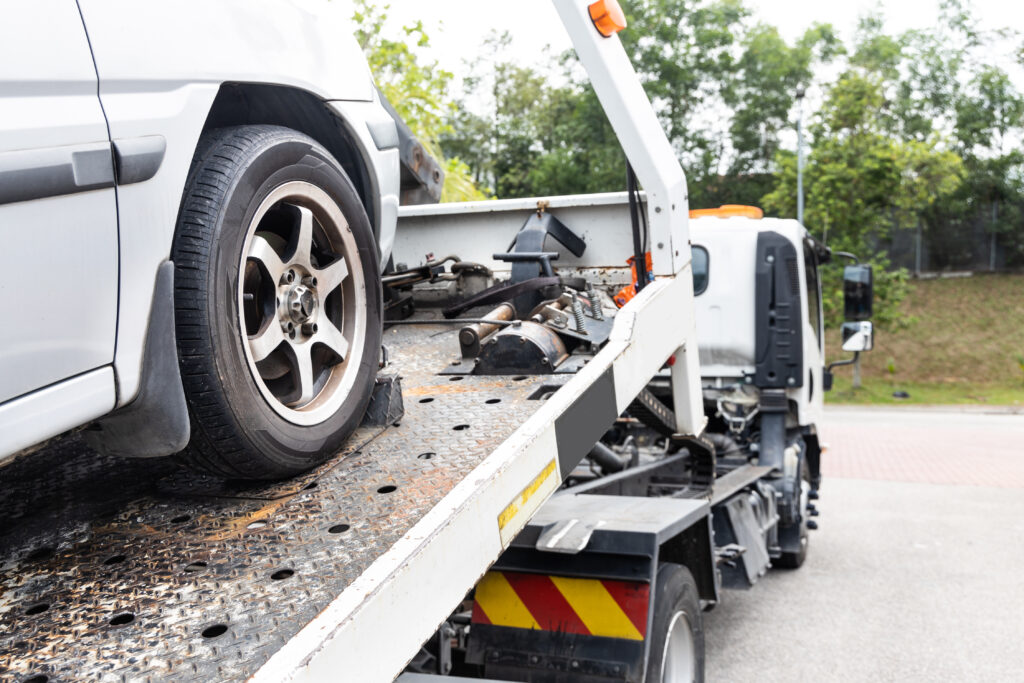
Sometimes it is faster to use your collision coverage first to pay for your damages, because it is “no fault” coverage – meaning nobody has to figure out who is at fault. You may have to pay a deductible, but if you are not at fault, you should get this money back later from the other insurance company. And don’t worry, if you are not at fault, your insurance company cannot raise your bill for using your collision insurance – Louisiana law forbids it.
Will my car be repaired, and where?
If your car is not a total loss, then the insurance will pay for repairing your vehicle. Louisiana law says you can use whatever shop you want. You should choose an established repair shop – newer or independent mechanics may be cheaper, but the insurance process is usually harder when you choose a shop that uses less formal procedures to create estimates and invoices.
While your car is being repaired, the at-fault driver owes you a rental car. This can happen in two ways – either the insurance company will set up a reservation and pay as you are in the rental, or you will pay first and get reimbursed later. Once your car is repaired, you bring back the rental and pick up your car.
What is a depreciation value, and when is it owed?
Everyone knows that a damaged vehicle is worth less than an undamaged one. When we buy cars, if there’s anything wrong with it, we expect the price to come down. The same thing happens when a car is wrecked – when you go to trade it in, the dealership will pay you less for “depreciation.”
If your car is damaged in a wreck, and repaired, you may be able to claim the loss of value – called diminished or depreciated value – against the at fault insurance company. At Kilburn Landry Law, we use expert opinions to estimate your depreciation claim, and fight to make sure you recover for all the value you lost when someone else damaged your car.
What is total loss, and how much do I get paid for it?
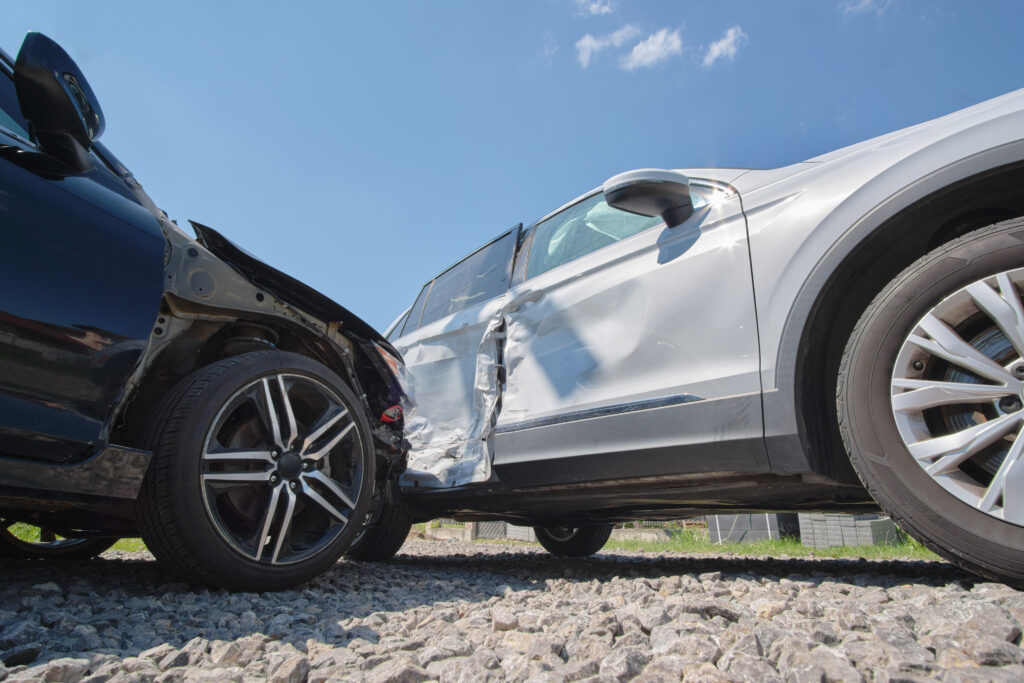
Louisiana law defines what total loss means, not a shop or an insurance company. Total loss means that the cost to repair your vehicle from the wreck is more than 75% of the car’s total value before the wreck. For example, if your car is worth $10,000, and the damage to your car will cost $8,000 to repair, then your car is a total loss by law.
When your car is a total loss, the insurance company owes the value of the car, plus tax, title, and license fees. The insurance company will prepare an offer, in writing, which they are required to show you. If you accept the offer, the insurance company will pick up your car, pay you, and sell your car for salvage at an auction.
You do have the option to keep the vehicle. But if you do, the insurance company will pay you less because they do not get to sell the salvage – so you are considered to have bought the vehicle for the salvage cost.
What if I owe on the car that is a total loss?
With most car loans, if your car is declared a total loss, you still owe for the car loan. In most cases, your loan paperwork says that the lienholder gets paid first, and you receive whatever amount is left over.
If you are upside down – meaning you owe more than the car is worth – then the insurance company pays the entire total loss amount to the lienholder to pay down the loan. This can leave you stuck unless you have something called GAP insurance. GAP insurance pays the remainder of the loan if you are upside down, but you still do not get any extra. This money goes directly to your outstanding loan and should cover whatever balance you have left.
In a Car Wreck? Get the Car Wreck Attorney Lake Charles Trusts
At Kilburn Landry Law, we help people get back on the road after a wreck. If your car was damaged in a wreck, call us for a free consultation at 337-426-0005.